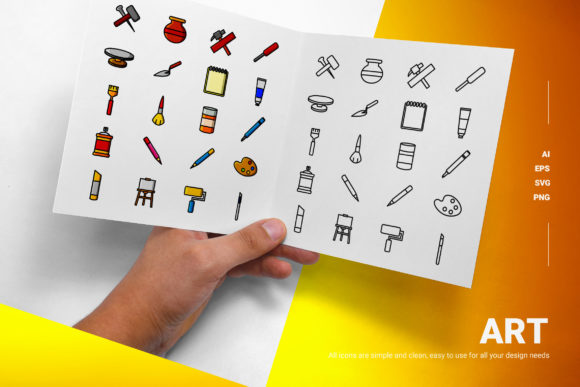
Art: A Unique Graphic Design Asset for Modern Branding and Marketing
As a brand designer and content marketer, I’m always on the lookout for design assets that elevate visual storytelling without complicating it. When I first encountered Art, I was drawn to its bold yet refined aesthetic. The collection offers a unique blend of creativity and functionality—perfect for marketers who want their message to stand out but still feel professional.
The Mood and Emotional Tone of Art
Art carries a mood that’s both inviting and polished. It has an exclusive quality that makes it feel like a hidden gem in the world of design assets. The visuals don’t scream loud or try too hard; instead, they subtly command attention with clean lines and expressive details. This emotional tone is ideal for brands aiming to project authenticity and sophistication simultaneously.
Whether you're refreshing your social media visuals or preparing a digital campaign for a new product launch, this asset brings a sense of modernity and warmth. It feels particularly well-suited for lifestyle content, handmade products, and event promotions where personality plays a key role. That said, it might not be the best fit for formal corporate branding or ultra-minimalist identities that rely heavily on restraint and neutrality.
How Art Performs in Real Marketing and Branding Scenarios
In my recent work with a small business launching a line of organic skincare products, we needed a set of graphics that could reflect natural purity while maintaining a strong visual presence. Art proved invaluable across several touchpoints:
- Brand Identity: We used subtle versions of the icons in logo mockups and packaging accents to add depth without overwhelming the design.
- Product Labels: Its versatility allowed us to integrate it into labels as decorative elements, helping to create a cohesive look between product designs and promotional materials.
- Social Media Graphics: For Instagram posts and Pinterest pins, the asset enhanced our call-to-action buttons and section headers, making them more engaging at a glance.
- Digital Ads: In Facebook ad creatives, the imagery helped break up text-heavy layouts and guide the viewer's eye toward key selling points.
- Blog Headers and Email Banners: The asset added a layer of professionalism to our editorial design, reinforcing trust and consistency across all platforms.
What stands out is how Art adapts to different contexts while retaining its core character. It works equally well in a design bundle for a Canva template or as part of a lead magnet download package. The balance between detail and simplicity ensures it doesn't get lost in the noise of crowded marketing spaces.
Supporting Marketing Goals with Visual Consistency
One of the biggest challenges in content marketing is maintaining visual consistency across multiple channels. Art helps overcome this by offering a unified style that can be applied from hero banners to infographic sections. Here are some of the goals it supports effectively:
- Stronger First Impression: The clean and deliberate design instantly grabs attention, especially when placed against neutral or branded color schemes.
- Clearer Visual Hierarchy: With its distinct shapes and thoughtful composition, Art naturally directs focus to the most important parts of any layout.
- Better Audience Trust: The premium feel of the design contributes to a sense of reliability and quality, which is crucial for building long-term customer relationships.
- Improved Engagement: On social media, these visuals helped increase click-through rates by making posts more scannable and visually appealing.
- Memorable Campaigns: The uniqueness of the graphic design asset made our product launch visuals stand out among competitors, leading to stronger brand recall.
Where Art Works Best: Strategic Placement in Marketing Collateral
I’ve found that Art performs exceptionally well in the following areas:
- Hero Graphics: Used in website headers and landing pages, it adds a creative edge without cluttering the main message.
- Campaign Headers: Ideal for email subject banners or blog post thumbnails, it enhances readability and visual appeal.
- Branded Templates: Integrated into Canva templates, it streamlines the creation of consistent social media graphics and downloadable content kits.
- Promotional Banners: Whether for print or digital use, the icon-based elements help reinforce the brand voice and message hierarchy.
- Editorial Layouts: In magazines, newsletters, or blog posts, it complements written content and improves overall page flow.
- Decorative Brand Elements: From merchandise to stickers, Art adds a signature touch that reflects the brand's identity.
Its adaptability also means it pairs well with various font styles—from sleek sans serif fonts in digital ads to elegant serif fonts in printed collateral. Testing it with handwritten and display fonts revealed it can even enhance informal brand expressions, such as those used in community-driven campaigns or influencer collaborations.
Design Considerations and Limitations
While Art is versatile, there are scenarios where caution is needed. If your brand leans toward minimalism or requires strict adherence to formal guidelines, this asset may introduce an element of unpredictability. Similarly, in designs with dense information or low-contrast backgrounds, the intricate details of Art could become distracting rather than supportive.
Here are a few practical notes from my experience working with it:
- Test with Your Color Palette: While the default colors are striking, customizing the hues to match your brand identity ensures a seamless integration.
- Check Black and White Versions: Always evaluate how the design holds up in grayscale, especially if it will appear in print materials.
- Preview on Mobile Screens: Some elements may lose clarity when scaled down, so ensure legibility on smaller formats before finalizing layouts.
- Use Carefully in Text-Heavy Ads: Avoid placing it over large blocks of text unless it’s used sparingly and strategically to frame the content.
- Confirm Commercial Licensing: Before using Art in paid campaigns or client projects, verify that the commercial license covers all intended uses.
Why Content Creators and Small Businesses Should Consider Art
For creative entrepreneurs and small business owners, Art offers an accessible way to build a professional brand without needing a full-time design team. Its ease of use allows marketers to quickly apply it across landing pages, infographics, and printable promotions. The exclusivity of the design also sets it apart from generic clipart or illustrations found on most creative marketplaces.
It’s especially beneficial for online coaches and bloggers who need to create content marketing materials regularly. By incorporating Art into web design and social media covers, they can maintain a fresh yet cohesive look that resonates with their audience.
Final Thoughts for Marketers and Designers
After integrating Art into several real-world marketing projects, I can confidently say it’s one of the strongest design assets I’ve reviewed recently. It bridges the gap between casual charm and professional branding, making it suitable for both digital product visuals and packaging design.
If you're looking for a graphic design asset that can support your brand communication and enhance your marketing visuals without compromising on quality or clarity, Art is worth considering. Just remember to test it thoroughly in your specific context and ensure it aligns with your brand’s voice and values.