Marketing Embroidery Design Review: A Designer’s Perspective
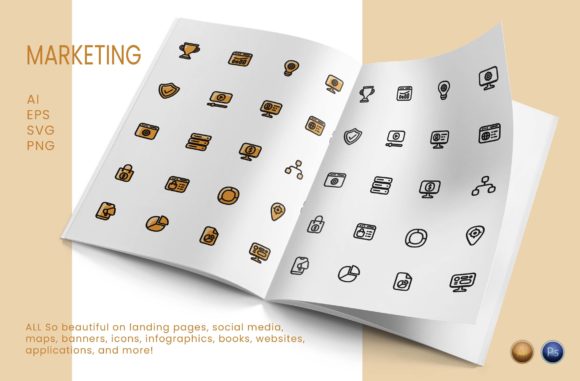
As an embroidery designer who frequently works on custom apparel and handmade products, I’m always on the lookout for versatile designs that can elevate a project without being over the top. When I first laid eyes on the Marketing embroidery design, I was immediately drawn to its clean lines and modern appeal. This set of 20 icons is clearly intended for digital use, but as someone who bridges the gap between digital assets and stitched goods, I wanted to see how it translates into real-world embroidery projects.
First Impressions and Visual Personality
The Marketing design brings a professional yet approachable vibe. Each icon feels intentional—there’s a consistency in style and proportion that makes them look like they were created by the same hand. The shapes are bold enough to be recognizable at a glance but refined enough not to overwhelm the viewer. This kind of balance is essential for any design used in both branding and personalization.
I found myself imagining where these icons could work best. For instance, a tote bag with a subtle sweatshirt marketing icon embroidered in metallic thread would instantly add a touch of sophistication while still feeling accessible. That’s the mark of a good design—it adapts well across different mediums and uses.
Design Details and Customization Potential
One of the standout features of Marketing is its customization flexibility. The icons are easy to resize, reposition, and adjust in terms of stitch type. Whether you're using satin stitch for a glossy finish or fill stitch for a softer look, the design maintains its clarity. However, the level of detail varies per icon, which means some might require more attention when scaling down or applying to textured surfaces.
If you’re planning to use this in a handmade product or personalized gift, keep in mind that some elements have small details that may get lost if not tested properly. As a rule, I recommend running a quick test on scrap fabric before committing to a final piece.
Real-World Use Cases
I recently had a client request a custom sweatshirt for their boutique launch, and I considered using one of the Marketing icons for the front panel. It worked surprisingly well, especially when paired with minimal text. The design added just the right amount of visual interest without competing with the brand name.
- Tote Bags: These icons are perfect for creating branding-friendly tote bag designs. A single icon with a short tagline can make your product stand out in a craft fair or Etsy listing.
- Custom Apparel: On cotton blends or stretchy fabrics, the icons maintain their shape well. Just be mindful of stitch density to avoid puckering, especially around curves or corners.
- Embroidered Patches: The flat layout and limited detail make some of these icons ideal for patches. They look great in a monochrome scheme or with a few accent colors.
- Nursery Decor: For baby embroidery, the simpler icons can be adapted beautifully. Think of a holiday-themed tea towel or a soft, pastel-toned pillow cover with a gentle marketing motif.
- Digital Product Previews: If you're selling digital embroidery files, the included AI and EPS formats are excellent for creating high-quality previews and printable mockups.
What really impressed me was how adaptable the Marketing set is for commercial embroidery as well. Several of the icons could be integrated into packaging labels, promotional banners, or even signage. Their versatility allows them to fit seamlessly into both craft business branding and large-scale production.
Where to Use Marketing Carefully
While the Marketing design is visually strong, there are a few areas where caution is needed:
- Small Hoop Sizes: Icons with fine lines or intricate corners might struggle when scaled down. Always check the recommended hoop size and test smaller versions carefully.
- Textured or Stretchy Fabrics: Designs with tight corners or small details may distort on materials like denim or jersey. Consider simplifying the design or adjusting the stitch type accordingly.
- Dark Backgrounds: The default thread color choices might not pop against darker fabrics. I recommend experimenting with white or metallic threads to ensure visibility.
- Frequent Wash Items: Dense stitching can lead to wear over time, so be sure to evaluate the long-term durability of the design when applied to items like aprons or towels.
Impact on Product Value and Customer Perception
Using Marketing in your embroidery project can significantly boost the perceived value of your finished product. Customers often associate clear, crisp graphics with quality and professionalism. When I stitched a version of the “social media” icon onto a sample sweatshirt, it immediately felt more polished and market-ready.
In my experience, these kinds of visuals also help build customer trust. A well-executed embroidered patch with a Marketing icon can serve as a subtle yet effective brand marker on a variety of small shop products. It's especially useful for digital product sellers looking to create cohesive design assets for online storefronts or social content.
Designer Notes and Best Practices
Here are a few tips from my own workflow when using the Marketing set:
- Always test on scrap fabric—especially if you're using it for a commercial embroidery run. Fabric texture and tension can drastically affect the outcome.
- Check thread color contrast against your chosen background. Some icons might need to be simplified or recolored for better visibility.
- Review stitch density settings before sewing. Adjusting them slightly can prevent distortion and improve the overall look.
- Inspect small details after stitching. If you notice gaps or misalignment, consider whether the icon is suitable for the placement area.
- Test in black and white to assess how it looks in grayscale. This helps determine if the design relies too much on color for clarity.
- Use proper stabilizer to support the design during stitching. This is crucial for thin or stretchy materials.
- Confirm licensing before selling finished items or digital assets. Though this design seems great for resale, always double-check the terms.
These steps might seem minor, but they’re vital for ensuring your embroidery project turns out as expected. Especially when working with machine embroidery designs, precision matters more than ever.
Final Thoughts
Overall, the Marketing embroidery design is a solid addition to any creative toolkit. It offers a contemporary aesthetic that works well in both custom apparel and branding materials. The key is knowing how to adapt it to your specific project needs—whether you're making personalized gifts or designing for a craft business.
For hobbyists and Etsy sellers, this design can give your listings that extra edge. For apparel decorators and commercial embroidery professionals, it’s a reliable choice for adding subtle, impactful graphics to a wide range of products.
Remember, every embroidery file tells a story—but it’s up to you to decide how that story is told. With Marketing, the narrative is already halfway written. Now it’s just a matter of choosing the right canvas and thread.